
Just days after the release of the latest national HIV survey revealed that about 21,000 adults become infected with HIV each year, Cameroon has launched a new prevention tool that could help change the course of the epidemic.
On 9 July 2026 in Douala, the Ministry of Public Health officially launched long-acting injectable pre-exposure prophylaxis (PrEP) using Cabotegravir (CAB-LA), making Cameroon one of the countries introducing the innovative HIV prevention option for people at substantial risk of infection.
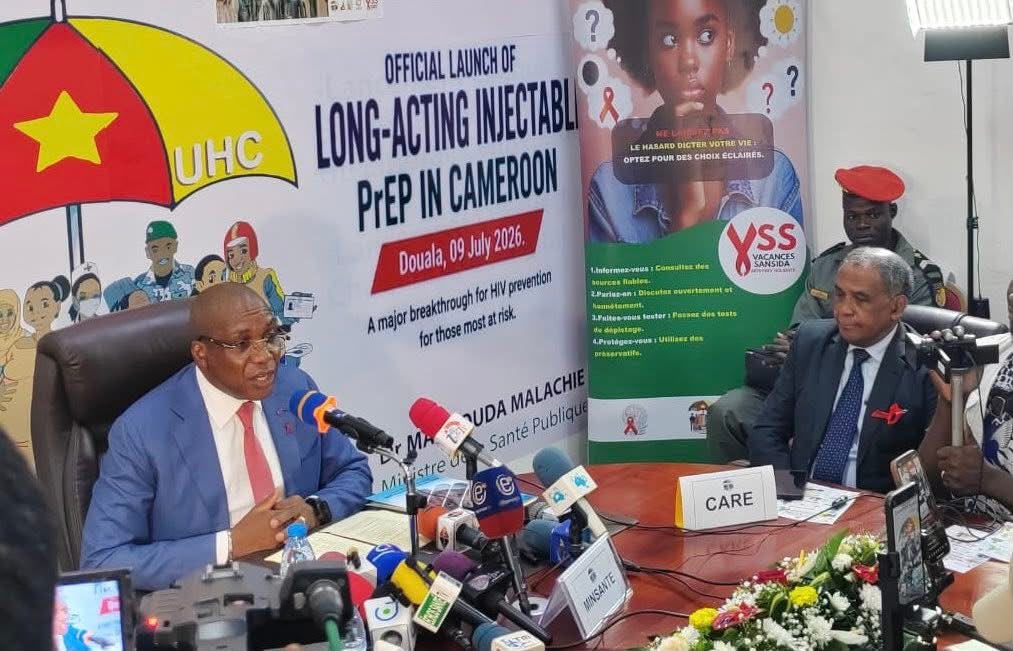
Image : National AIDS Control Committee (NACC)
The launch comes at a crucial time
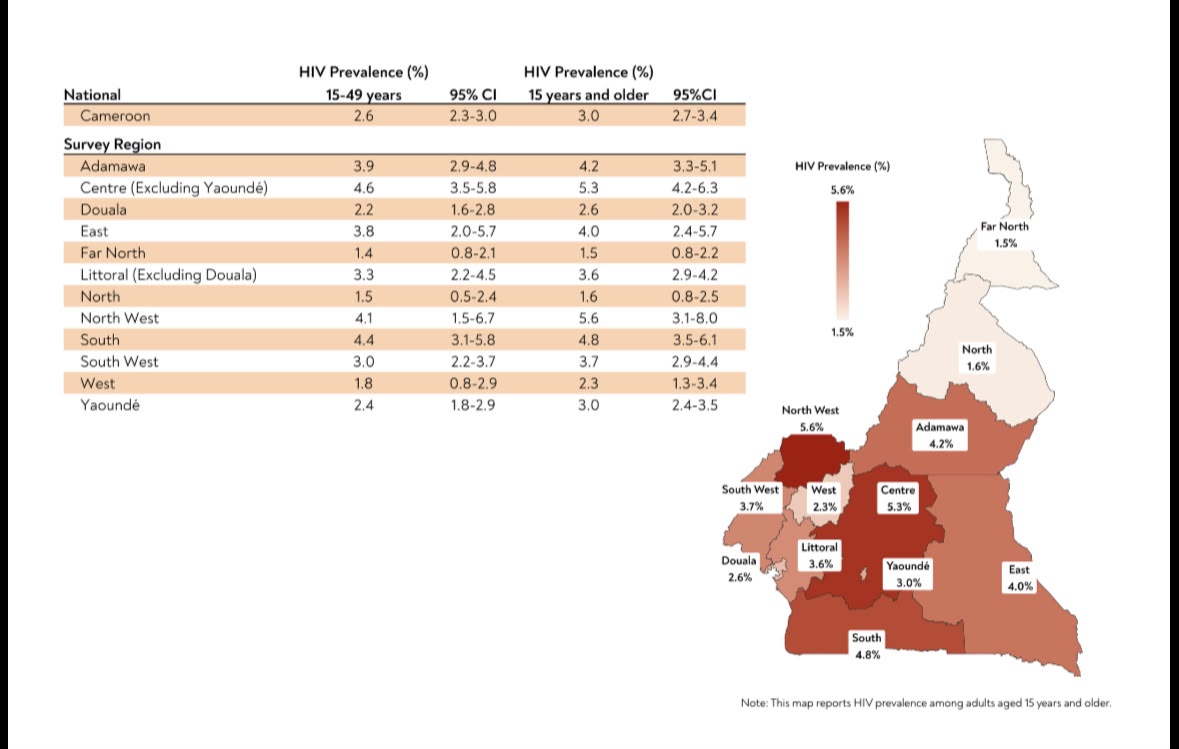
The recently released Cameroon Population-based HIV Impact Assessment (CAMPHIA) 2024–2025 estimates that more than 501,000 adults are living with HIV. It also found that nearly three out of every four new HIV infections occur among women, highlighting the urgent need for stronger prevention, particularly among women and adolescent girls.
Unlike oral PrEP, which must be taken every day, CAB-LA is given as a single injection every two months, offering long-lasting protection against HIV while reducing the challenge of remembering a daily pill. Health officials believe this could make a significant difference for people who struggle with adherence or prefer a more discreet prevention option.
According to information released during the launch, studies have shown that CAB-LA reduces the risk of acquiring HIV by 89% among men and 66% among women, making it one of the most effective HIV prevention tools currently available for people who are not living with HIV but at ongoing risk of infection.
The introduction of CAB-LA also complements one of the key findings from the CAMPHIA survey. While Cameroon has already achieved the second and third UNAIDS 95-95-95 targets – with more than 96% of diagnosed people receiving treatment and 95% of those on treatment achieving viral suppression – the country continues to record thousands of new infections every year.
This means that alongside expanding HIV testing and treatment, preventing new infections must remain a priority.
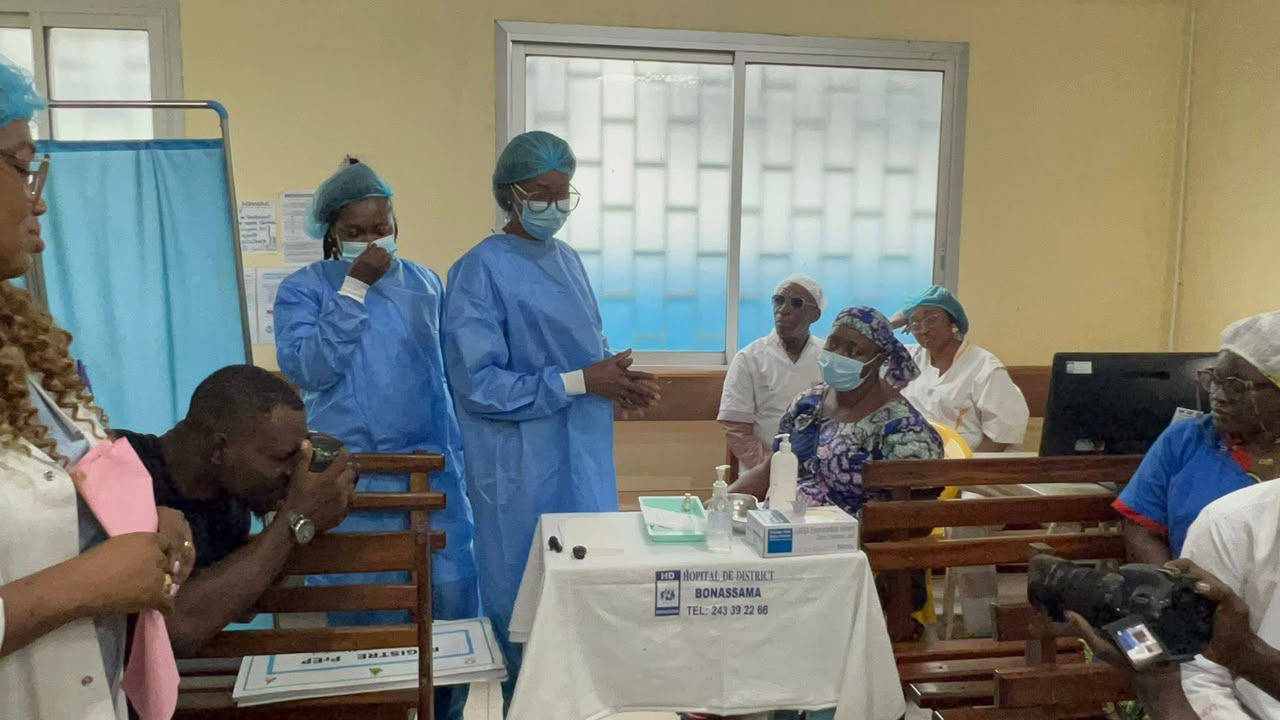
Initial implementation of CAB-LA will begin at selected health facilities in Douala, Yaoundé, Garoua, Buea and Ebolowa, with services provided through designated hospitals and associated Integrated Community Centres.
For public health experts, the significance of CAB-LA extends beyond introducing another medicine. It provides people at higher risk with more choice in protecting themselves against HIV.
If widely adopted alongside HIV testing, condoms, behavioural interventions and early treatment, the injectable PrEP could help reduce new infections, particularly among the populations identified by latest CAMPHIA survey as being most affected.
The recent study has shown where Cameroon still faces challenges. The launch of CAB-LA signals one way the country hopes to overcome them as she works toward ending HIV as a public health threat by 2030.
By Gladys Asu Ngouana