
Universal Health Coverage (UHC) Day 2024 was commemorated by Pathfinder International on December 11 with a webinar themed “From Commitment to Coverage: Accelerating Government Action on UHC.”
The event brought together global and regional health leaders, including representatives from the World Health Organization (WHO), the Civil Society Engagement Mechanism (CSEM) for UHC2030, and other key stakeholders.
It served as a platform to explore innovative approaches to achieving UHC, with a focus on sustainable health systems, financial protection, and access to care for marginalized populations.
Dr. Ambrose Talisuna, Senior Health Advisor for the WHO Africa Regional Office, delivered a keynote address on how progressive universalism can build sustainable health systems.
He emphasized that expanded partnerships are vital to enhancing health security, particularly in addressing systemic disparities worsened by the climate crisis, conflict, and inequity.
The Senior Health Advisor commended countries that have demonstrated resilience and innovation in advancing UHC goals.
Setting the Stage: The Call for Political Will
In her opening address, Lydia Saloucou, President of Pathfinder Africa, reflected on the stagnation of global health service coverage since 2015.
She emphasized the urgency of addressing inequities and underfunding in health systems, stressing the harsh realities families face when forced to choose between healthcare and basic needs.
“Every statistic represents a family forced to choose between medical care and their next meal. This is not just a failure of financing but a failure of imagination and political will,” she stated.
Saloucou criticized the lack of progress in meeting the Abuja Declaration’s goal of allocating 15% of national budgets to health, revealing that only two African nations have achieved this target in 23 years.
However, she noted pockets of progress in countries like Kenya, Egypt, Pakistan, and Uganda, showcasing the transformative potential of political commitment and innovative partnerships.
Sharing Success Stories: Country-Level Strides
The webinar featured presentations from four experts who highlighted country-specific advancements in UHC.
Chris Mugarura, Assistant Commissioner for Health Services at Uganda’s Ministry of Health, detailed Uganda’s efforts to improve access to primary healthcare (PHC) at lower-level facilities.
These efforts have led to a 64% utilization rate for PHC services. However, Mugarura acknowledged challenges, including critically low health insurance coverage at just 1% and per capita health spending (USD 22.4) far below the WHO-recommended USD 86.
In Pakistan, Javed Ali Jagirani, an officer of the Pakistan Administrative Service, shared insights on public-private partnerships such as the PPHI Sindh program.
He explained how these partnerships are effectively addressing healthcare gaps, providing essential services, and ensuring equitable healthcare access for underserved populations.
From Egypt, Basma Ghanem, Financial Inclusion Team Lead with the Women’s Economic and Social Empowerment Program (WESEP), presented an innovative model that integrates women’s empowerment with health financing.
The program connects marginalized communities to macro insurance and other essential services under Egypt’s unified national health insurance plan.
Adding a civil society perspective, Yaye Sophiétou Diop of the CSEM Advisory Group emphasized the importance of strengthening partnerships with CSOs. She called for integrating marginalized populations and empowering CSOs to play active roles in accountability mechanisms.
Lessons for Cameroon
As Cameroon transitions to Phase Two of its UHC policy, the webinar offered several actionable strategies to accelerate progress.
Yaye Sophiétou Diop underscored the importance of fostering trust and transparency in the health sector. She recommended mechanisms such as Benin’s community consultancy model, where CSOs are included in budgeting consultations.
The transformative potential of digital health and telemedicine was another key recommendation, particularly for improving access to healthcare in rural and underserved areas.
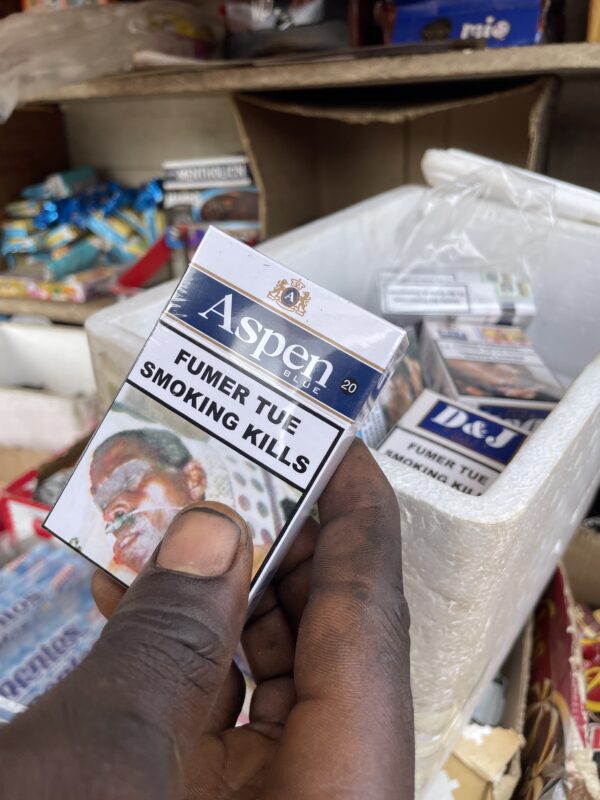
Additionally, expanding Cameroon’s tax base by increasing taxes on harmful imports, such as tobacco, and directing the revenue toward UHC initiatives was proposed as a viable solution.
Pathfinder International remains a leader in the UHC movement, championing health as a fundamental human right. Its mission to improve reproductive and sexual health services, strengthen health systems, and empower women aligns with the global vision of health equity.
As Lydia Saloucou aptly concluded, “UHC is possible when we reimagine support, forge sustainable partnerships, and shift power dynamics to where resources are needed most.”
For Cameroon and other nations, achieving UHC demands more than technical expertise – it requires commitment, bold action, and a shared vision of health for all.