

Cameroon ranks among Africa’s highest for suicide. On World Suicide Prevention Day, experts call for awareness, support, and accessible mental health care.
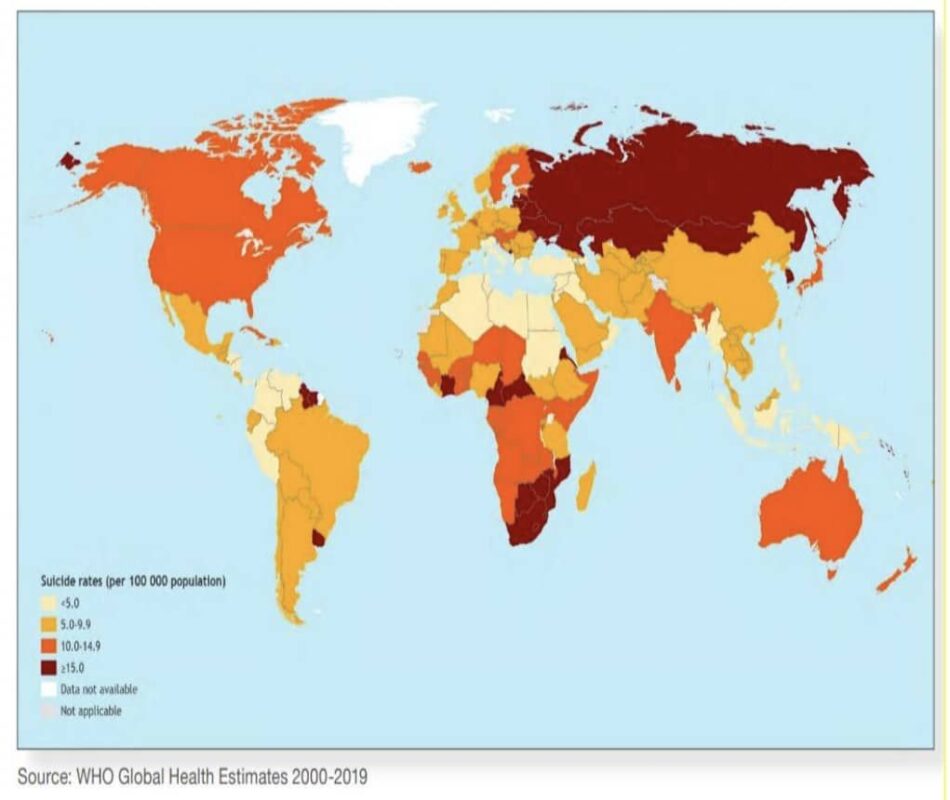
More than 2,000 Cameroonians died by suicide in 2019, according to the World Health Organization, placing the country ninth among African nations with the highest suicide rates. The majority of these deaths were men, yet despite the rising toll, Cameroon still has no national suicide prevention programme.
Another study by the World Bank in 2021 estimated the suicide mortality rate in Cameroon at 8.5 per 100,000 population, highlighting that the issue remains persistent and significant. Together, these figures indicate a steady challenge for public health in Cameroon, underscoring the urgent need for awareness, data collection, and prevention strategies.
Clinical psychologist Didier Demassosso, who heads the mental health department at the community-based association GriCoDa, says suicide has become a pressing issue because it reflects the overall state of a population’s mental health.
“In Cameroon, where mental health indicators are very poor compared to WHO standards, a suicide prevention programme could help reduce stigma and promote mental health more systematically,” he explains.
What Pushes People to Suicide in Cameroon?
While suicide can affect anyone, some groups face higher risks. Demassosso points to men and boys, young people aged 15–29, people with depression or schizophrenia, those with past attempts, drug and alcohol users, and survivors of trauma such as war or sexual violence.
He adds that suicidal behaviour often acts like a cage, once trapped, individuals feel unable to seek help. Economic hardship, social stigma, and weak mental health systems further create an environment where people silently battle crises until it is too late.
What Can Be Done to Prevent Suicide Mortality?
With no structured prevention programme, Demassosso believes solutions must begin at the personal, family, and community levels. “Every Cameroonian should take care of their mental health just like putting on a pullover when it’s cold,” he says.
Families, he notes, should be more supportive and responsive to signs of distress, while schools, hospitals, councils, and associations can partner to expand mental health education.
“It’s affordable and cost-effective compared to the heavy cost of losing lives,” he stresses.
As Cameroon joins the rest of the world to observe World Suicide Prevention Day this September 10, experts are advising anyone struggling with suicidal thoughts to pause and consider the next step rather than the end. “Even when life feels unbearable, there are ways to find support and hope,” says Didier Demassosso. He encourages reaching out to the free hotline 1510, speaking with a mental health professional, or confiding in someone you trust.
Hold on to the possibility of solutions, connection, and healing – every problem can be faced differently, and no one has to face it alone.
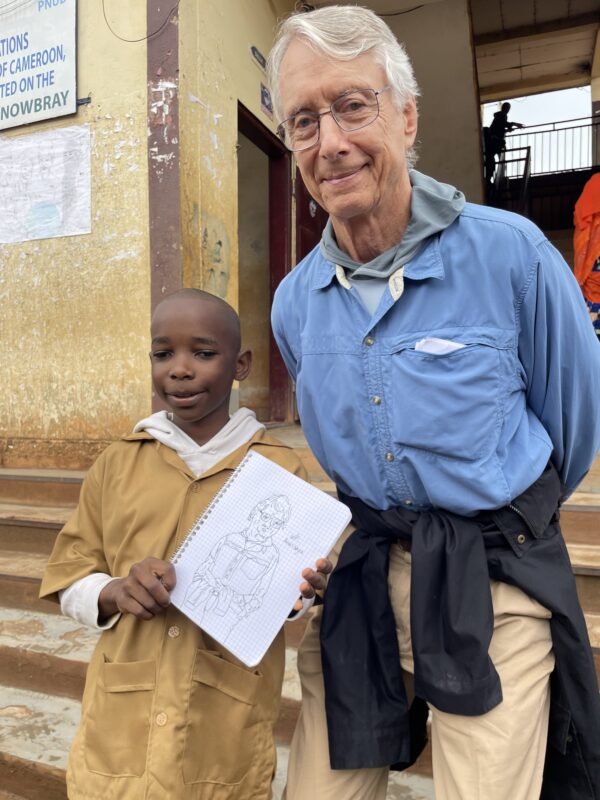
Didier Demassosso