

If you can wake up from bed, please don’t put yourself down. The world is already putting you down…so you cannot afford to put yourself down
ANNABELLA TABI NTOH, 2025
Her face is familiar to many Cameroonians. Her voice has delivered countless headlines, breaking news, and stories that matter. On screen, she is calm, poised, confident. But behind the studio lights, there is a story most viewers will never see – one of pain, resilience, and hope.
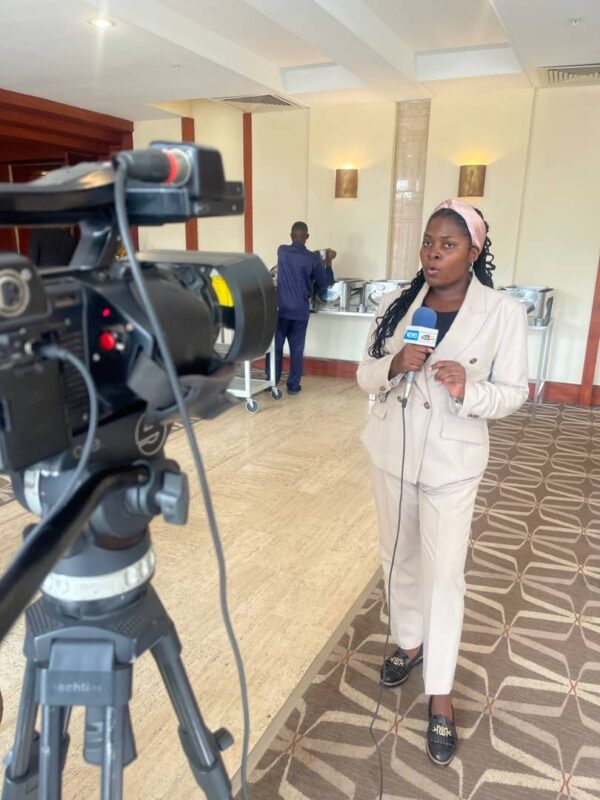
Meet Annabella Tabi Ntoh, 32, a journalist with the Cameroon Radio Television (CRTV) and founder of the Hope Cell Foundation, an initiative dedicated to supporting sickle cell warriors and raising awareness across the country.
“Living with sickle cell is not your everyday cup of tea. It is a mixture of determination, desperation, and hope,” Annabella says.
Annabella was born with sickle cell anemia, a genetic disorder that affects red blood cells. But it was not diagnosed until she was around 10. Until then, her parents and doctors did not know why she was constantly in pain.
“I was treated for everything from asthma to other illnesses, but nothing worked,” she recalls.
The truth was harsher – she was growing up in excruciating pain, navigating a world that did not understand her condition. Even after the diagnosis, life did not suddenly get easier. Bone marrow transplants, the only known cure, were far beyond her family’s reach. Daily painkillers became her reality, alongside the social misunderstandings that often come with sickle cell.
“At home, I dealt with the pain. Outside, I dealt with people not knowing what sickle cell is,” she explains.

The Demands of Journalism with Sickle Cell
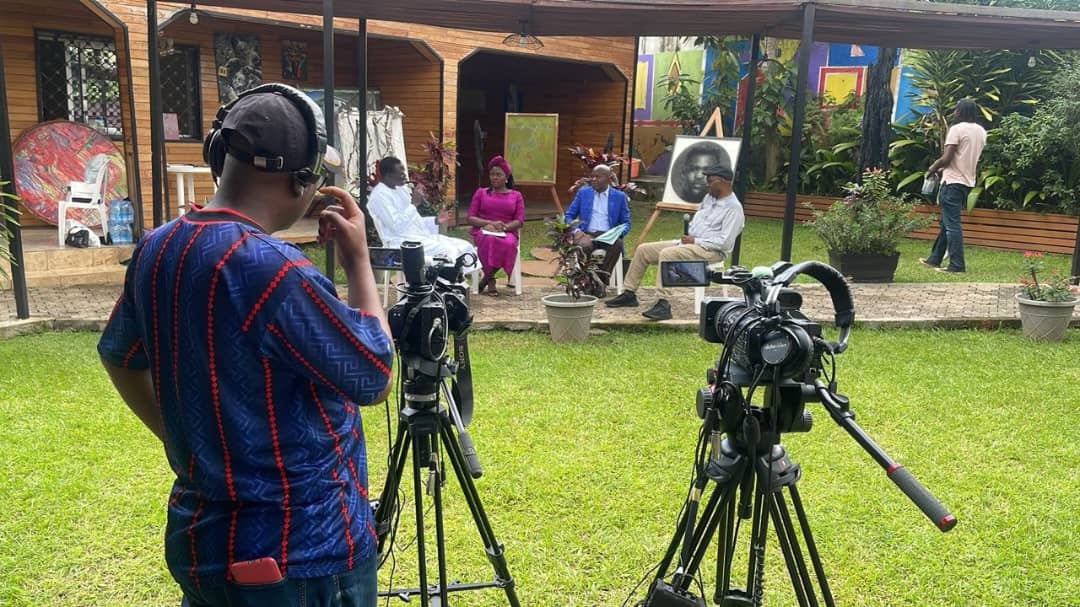
Journalism is a career that is physically and mentally demanding – long hours, stressful deadlines, and frequent fieldwork under the sun or rain. For someone with sickle cell, stress, dehydration, and extreme weather can trigger painful crises.
“There is nothing about my job that is favourable for me as someone living with sickle cell,” she says.
Rain, cold, heat – every assignment carries a risk. Yet she refuses to let it stop her. Her determination is clear when she explains her philosophy.
“If I’m breathing, alive, and able to walk, I have to do what I have to do to reach the next level.”
Still, the uncertainty is always there. A crisis could strike at any time – whether it is mild pain that passes with painkillers like tramadol or severe agony requiring blood transfusions. This unpredictability fuels anxiety, but also strengthens her.
A Foundation Built on Gratitude
Annabella’s strength is not just personal. It is rooted in the support and sacrifice of her family. Her mother, a seamstress, indebted herself several times to care for her when she was far younger. Today, Annabella credits much of her life and success to her Aunty and her husband whom she lovingly calls Mum and Dad, for standing by her and providing every form of support, and going to extra length to get the utmost care for her.
She also appreciates her elder sister, who has been a quiet but constant source of strength, and treasures the genuine affection of her granddad, who loved her long before anyone could even name what she was suffering from. And of course, friends who stayed, despite the misconceptions, and have played their part.
“They showed me so much love when they didn’t have to, and I am forever grateful,” she says.
It is this gratitude that drives her mission with the Hope Cell Foundation. “I don’t have much, but if I have a bottle of water, I can share a cup with another warrior,” she explains. Small gestures, she believes, can make a world of difference to someone living with the disease.
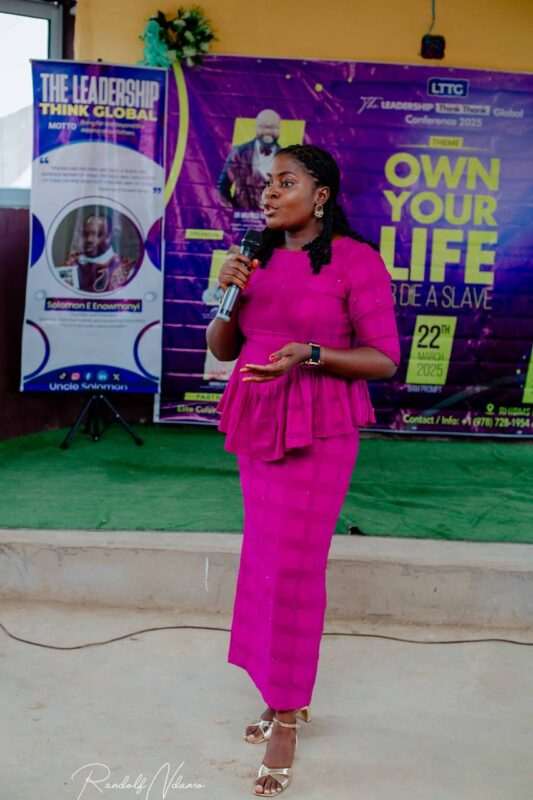
Despite her struggles, Annabella is determined to be a voice for others like her. She founded the Hope Cell Foundation to raise awareness, support fellow warriors, and fight myths surrounding sickle cell. “The first time I met someone with sickle cell like me was when I was already in my 20s. I want young people growing up to know there are people like them – and that they can live a life of purpose,” she explains.
The foundation focuses on three things:
Awareness: Educating the public about sickle cell to break myths and reduce stigma.
Support: Offering practical help to warriors and vulnerable families struggling with the disease.
Prevention: Encouraging understanding of genotype and promoting responsible family planning.
She intends to make the fight against Sickle Cell Anemia as popular as that of Malaria, Cancer and HIV/AIDS.
The Reality in Cameroon
Life as a sickle cell warrior in Cameroon is full of challenges. There are very few specialized physicians. Most of the hematologists, are concentrated in Yaoundé and Douala. Public hospitals often lack specialists, and private care is expensive.
“I’ve been to some of the biggest hospitals, and there was no hematologist. How do you trust someone to treat you if they don’t even know your history?” she asks.
Government support is limited. Even small fee reductions at central hospitals barely scratch the surface of the costs warriors face. For Annabella, these gaps are not just personal struggles; they are a national issue she hopes to change.
Words of Encouragement
Annabella knows firsthand how isolating sickle cell can be. The pain, uncertainty, and societal stigma can feel crushing. Yet she encourages warriors to keep moving forward.
“If you can wake up from bed, please don’t put yourself down. The world is already putting you down…so you cannot afford to put yourself down,” she says.
To caregivers, her plea is equally heartfelt. “We know it’s hard, but while we are alive, please don’t give up on us.”




I am delighted to read through. At a point, tears filled my eyes, because I understand what it feels like. Being a medic who has had various encounters with these persons, sometimes it’s emotionally demanding to deal with them, it’s also emotionally difficult to interact with them, especially during the crisis. The unspeakable pain that doesn’t listen to the analgesics almost immediately, the torture, the fear of certain attempts so as to avoid triggers of pain. Coming from a family with lots of sickle cell traits and a warrior has opened my eyes to a lot.
But then again for a second, the tears increased, but this time, with a different emotion – the feeling of joy that warriors are no longer afraid or ashamed of the crowd! More and more of them are coming to light to echo what SCD is, and a caution to future parents.
Annabella, I must say that your journey and story is truly inspiring. I honestly commend your strength of continuous fighting! Together, we can Ring the Gene Bell!
OJ Nathaniel Eben
M.D – OMEDIC.
Great job, Anabel! What an amazing initiative to create awareness about sickle cell disease in Cameroon. I still vividly remember your struggles growing up, and seeing how far you’ve come is truly inspiring. This is awesome. keep up the good work, and may the Almighty God continue to guide and direct your steps in this mission.
True warriors never back down! ready to face each day with hope and determination. This is powerful . Courage Anabella.
wish you best and best
Great content! Keep up the good work!