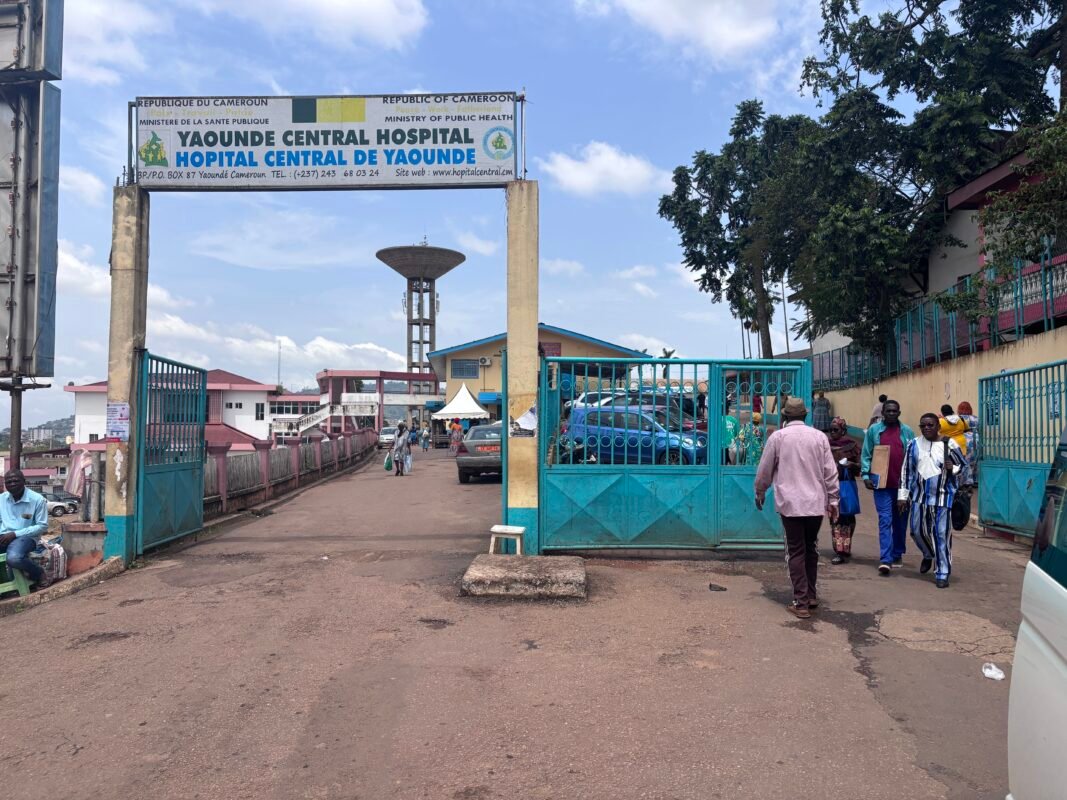

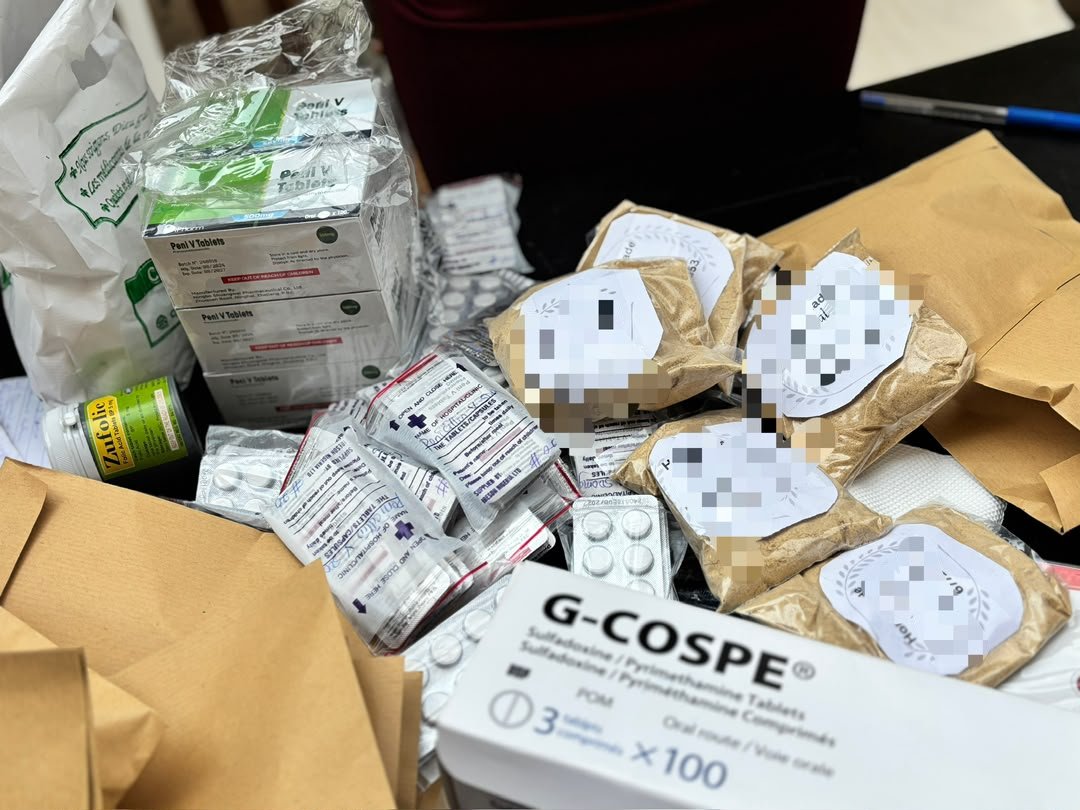
The scale of the problem is reflected in seizures carried out across the country. Between 2020 and June 2025, the government reported confiscating counterfeit medicines worth more than 8.69 billion CFA francs. In September 2026, gendarmes seized thousands of cartons of suspected fake medicines in Yaoundé, while 6.2 tonnes of expired, smuggled and falsified medicines were destroyed in Ngaoundéré the following month. Despite these operations, authorities warn that the black market remains active.
Continuing its fight against SFs, measures like strengthening controls, improving access to affordable drugs and encouraging local production. were highlighted during the commemoration of the African Day for the Fight Against Counterfeit Drugs. It was held at the National Procurement Centre for Essential Drugs and Medical Devices (CENAME) in Yaounde on October 22, 2026.
Held under the theme “Fake Medicines, Real Danger: Together, Let’s Secure the Supply Chain in Cameroon for Better Universal Health Coverage,” the event brought together public health authorities and other stakeholders to raise awareness of the dangers of fake medicines and strengthen action against their circulation.
Opening the event, Minister of Public Health Dr. Manaouda Malachie warned that counterfeit medicines undermine treatment and expose patients to serious health risks. “Imagine a family spending its last resources to buy a medicine, with the legitimate hope of seeing a loved one recover. Now imagine that the product they bought in good faith does not contain the substance advertised, or is itself a danger to their health,” he said.
The minister acknowledged that illegal medicine sales persist despite government efforts, including in areas close to health facilities. “Seizures and the closure of illegal sales points show that the government is mobilised. But these interventions, necessary as they are, do not mean that the risk has disappeared,” he stressed. He called for stricter enforcement of procedures governing seized medicines, insisting that confiscated products must be transferred to the relevant regional public health services to initiate their destruction.

Securing Cameroon’s Medicine Supply Chain
The government is reinforcing border controls and monitoring pharmaceutical distribution channels, with health inspectors, customs officials, security forces and judicial authorities involved in the fight. For Dr Salihou Sadou, Director General of CENAME, the challenge is to secure every stage of the medicine supply chain. “It only takes a small failure at one point in the chain for medicines to find their way outside the legitimate distribution system,” he explained.
CENAME supplies essential medicines to public and faith-based health facilities across Cameroon, including facilities serving communities with limited access to specialised medicines. Dr Sadou said essential drugs such as paracetamol and ibuprofen are available in health facilities at low prices. He urged patients to check displayed prices to ensure they correspond with those approved by the Ministry of Public Health.
Dr Manaouda also called for measures to make legitimate medicines more affordable, including discussions on dispensing quantities that better match patients’ prescriptions and financial means. “People must be able to go to a pharmacy and obtain medicines that match what they can afford,” he said, arguing that improving access to authorized products is part of the fight against illegal sales.
Meyo Pharmaceutical Complex Offers Long-Term Prospects
Alongside enforcement, Cameroon is pursuing local pharmaceutical manufacturing to reduce dependence on imported medicines and improve the availability of essential drugs. One major initiative is the pharmaceutical complex under construction in Meyo, Yaoundé, led by Yicheng Pharmaceutical Group in partnership with Chinese interests and local promoter Idriss Confiance Mbe.
The project, whose total investment has been estimated at between 530 billion and 580 billion CFA francs, is being developed in phases. Its initial phase, valued at approximately 30 billion CFA francs, focuses on manufacturing essential medicines. The facility is expected to strengthen domestic production, improve access to medicines and create employment. However, its contribution to reducing counterfeit medicines will depend on effective regulation, quality assurance and the availability of competitively priced products once production begins.
Dr Manaouda cautioned that local manufacturing must be built on quality rather than nationality alone. “We want locally manufactured products, but the standards must be respected,” he said, calling for investment, technology transfer and stronger national production capacity. The minister also stressed that pharmaceutical independence would take time and should prioritise medicines that address the country’s most pressing health needs.
According to a 2025 report Cameroon relies heavily on imported medicines, which account for 95% of the national pharmaceutical market. As Cameroon strengthens controls and invests in local manufacturing, the objective is to ensure that patients can access medicines that are safe, effective and affordable. Achieving that goal will require sustained enforcement, reliable distribution networks and public confidence in authorised sources of medicines.