
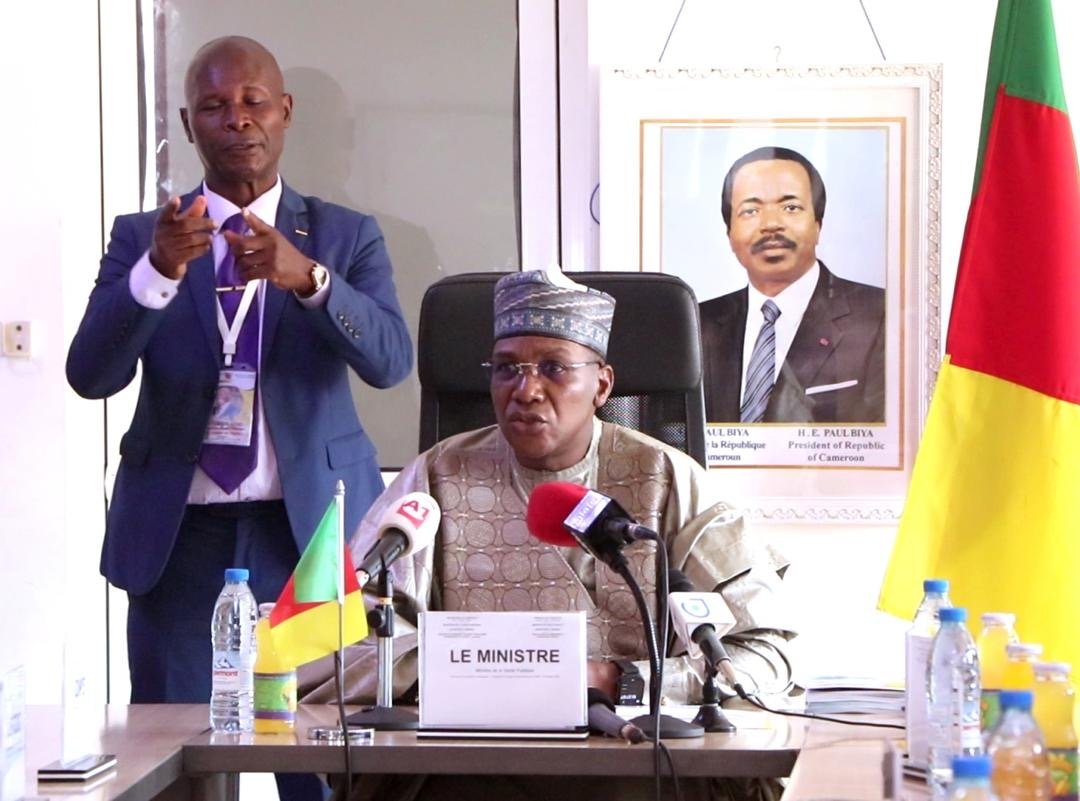
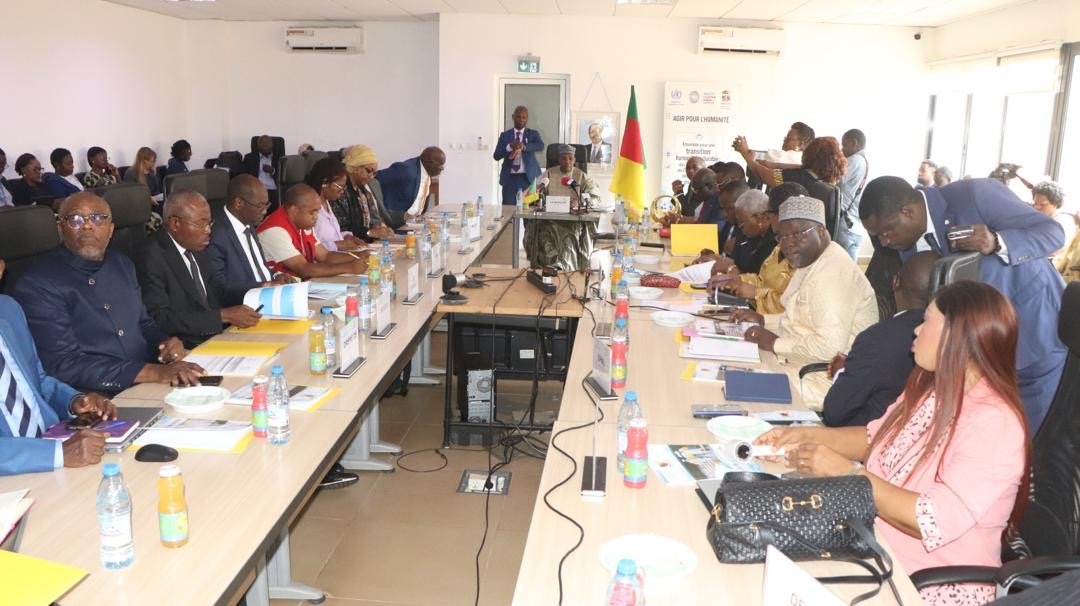
Cameroon is stepping up its preparedness against Ebola following the confirmation of a case in neighbouring Nigeria on October 20, 2026. On October 22, Public Health Minister Dr Manaouda Malachie chaired an emergency meeting of the Strategic Committee for Health Emergencies in Yaoundé to assess the country’s readiness.
The committee adopted seven priority measures, including strengthening epidemiological surveillance, alerting public and private health facilities, improving diagnostic and patient management capacities, and mobilising rapid response teams.
Authorities will also prepare a costed response plan for submission to the Prime Minister and reinforce cross-border cooperation with Nigeria and technical partners.
Speaking during the meeting, Dr Manaouda said Cameroon had already held 25 preparatory meetings since Ebola was declared an international public health emergency in May.
“We are simply in a state of preparedness,” he stressed, adding that the immediate objectives were to prevent the virus from entering Cameroon, detect and isolate suspected cases early, and mobilise stakeholders to improve public awareness.
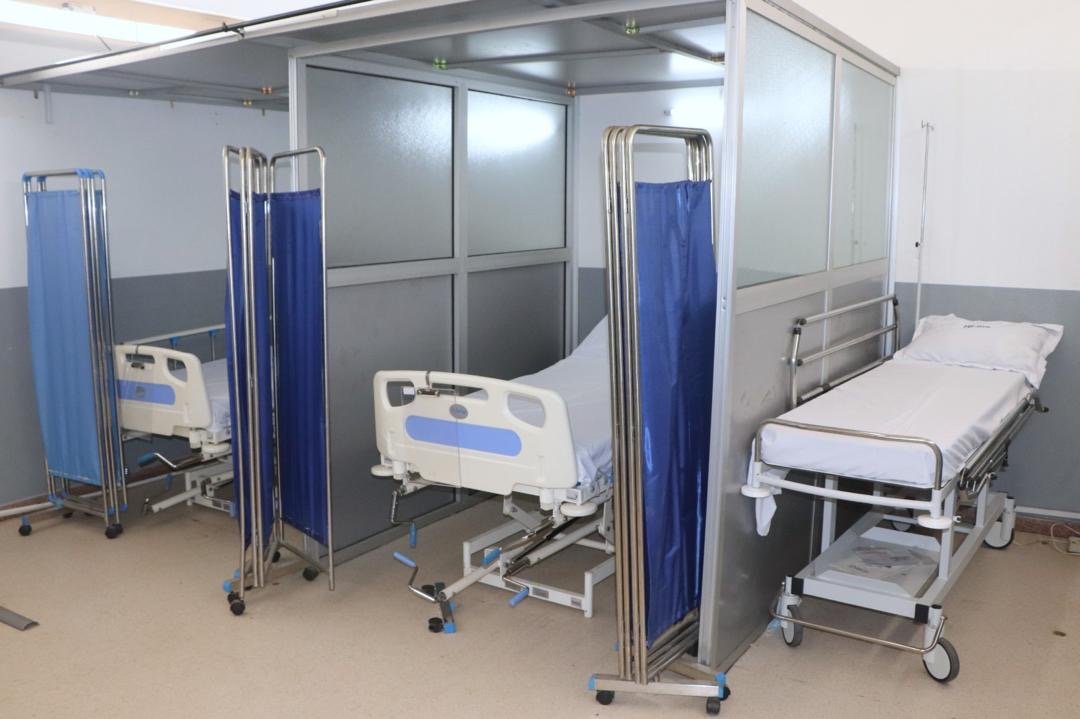
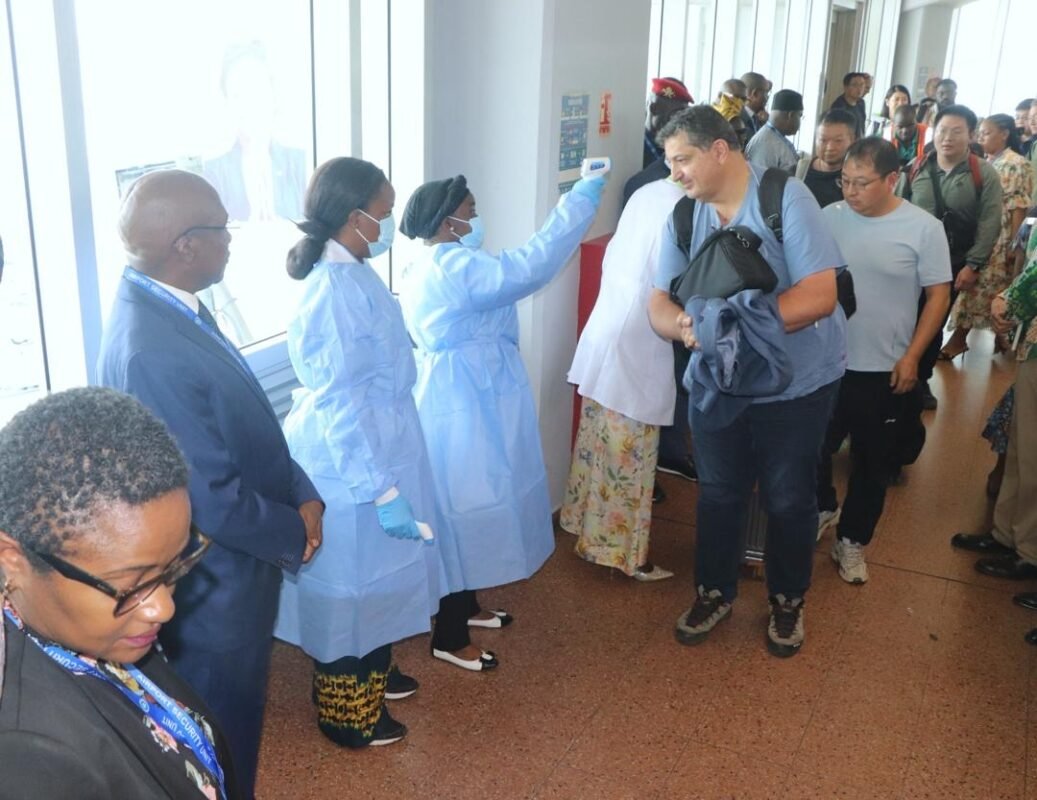
Dr Manaouda has also inspected the Ebola surveillance and response system at Yaoundé-Nsimalen International Airport and the Nsimalen District Medical Centre. A simulation assessed passenger screening and isolation procedures, with three beds available for suspected cases at the airport.
The medical centre has laboratory and intensive care facilities, as well as two ambulances for patient transfers. However, additional health personnel are needed to strengthen the response.
Authorities are also working to operationalise a QR code and traveller information form, with a similar inspection planned at Douala International Airport.
The minister also called on the media to inform the public without creating panic, insisting that Cameroon had recorded no suspected or confirmed cases so far.
Africa Intensifies the Regional Response
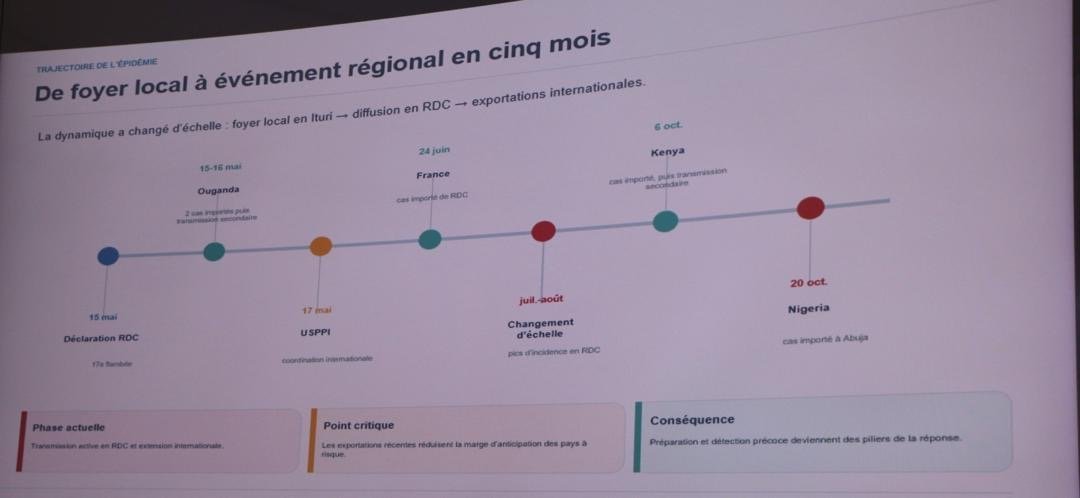
The outbreak has spread beyond the Democratic Republic of the Congo (DRC), its epicentre, with confirmed cases also reported in Uganda, Kenya and Nigeria. According to figures presented during a press briefing on October 22, by the Africa Center for Disease Control and Prevention more than 9,700 confirmed cases and 4,761 deaths have been recorded across four African countries and France.
Africa CDC is urging countries to strengthen surveillance not only at airports and other entry points but also within communities, backed by laboratory capacity and effective contact tracing. “We need to have our preparedness and readiness measures in place to deal with the possibility of any imported case,” said Dr Wessam Mankoula, Director of Emergency at Africa CDC.
He also called for the release of pledged funding to support response operations. Dr Mankoula said more than $3 billion in pledges needed to translate into resources reaching countries and implementing partners. He warned that financial commitments alone would not control the outbreak without money being deployed on the ground.
The Bundibugyo Virus Vaccine Trials
The search for an effective vaccine remains a major challenge. Unlike the Zaire strain of Ebola, the Bundibugyo virus has no licensed vaccine or specifically approved treatment.
Researchers are developing several vaccine candidates, including Oxford’s ChAdOx1-BDBV, Moderna’s mRNA candidate, and experimental vaccines using technology developed by IAVI and Public Health Vaccines. These candidates remain in preclinical development or early-stage clinical trials.
The existing Ervebo vaccine is licensed against the Zaire strain, but its effectiveness against Bundibugyo in humans remains unproven. The World Health Organization recommends its use against this strain only within a research protocol.
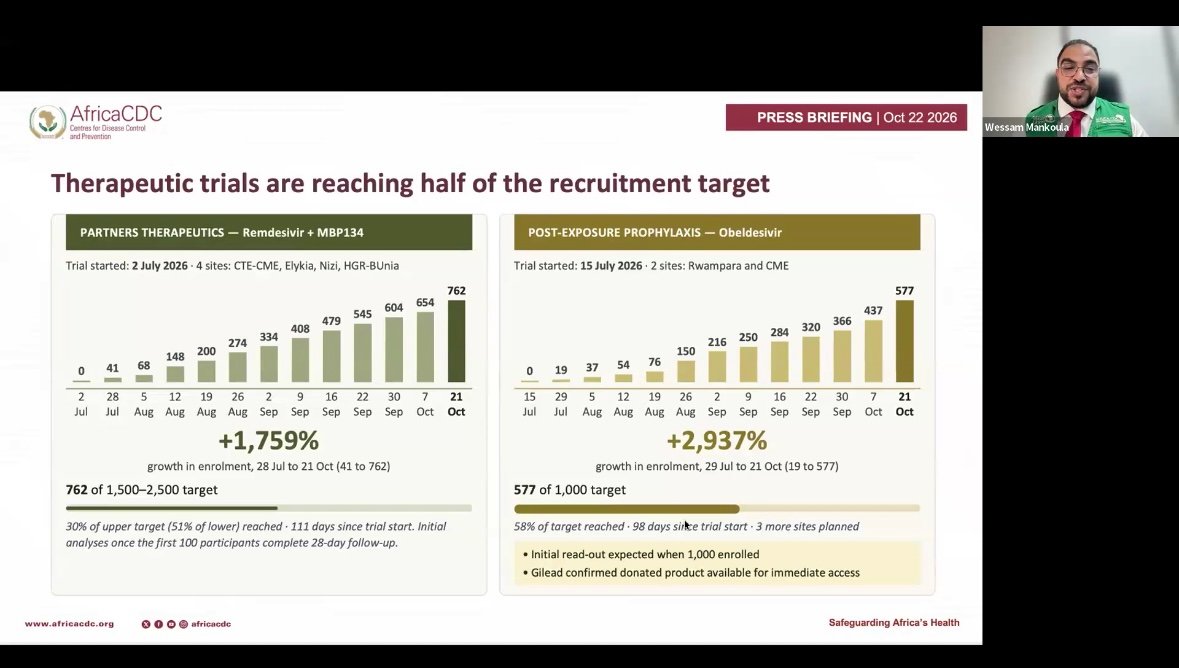
Meanwhile, treatment research is progressing through clinical trials testing remdesivir, monoclonal antibodies and a combination of both, alongside a placebo comparison. Dr Mankoula reported that 762 participants had been recruited, with a target of 1,500 to 2,500.
Ebola Prevention: What You Should Know
Health authorities are urging the public to observe basic hygiene measures and avoid contact that could expose them to the virus.
Ebola spreads through direct contact with the blood or other bodily fluids of an infected person, including someone who has died from the disease. Contaminated objects and contact with infected wild animals can also transmit the virus. It does not spread through the air like influenza or COVID-19.
To reduce the risk of infection, people should:
- Wash hands frequently: Use soap and clean running water or an alcohol-based hand sanitiser.
- Avoid contact with bodily fluids: Do not touch the blood, vomit, urine or other bodily fluids of someone who is ill or suspected of having Ebola.
- Seek medical attention early: Fever, severe headache, muscle pain, weakness, vomiting and diarrhoea can be warning signs. Anyone developing symptoms after a possible exposure should contact health authorities immediately.
- Avoid handling dead bodies: Families should allow trained personnel to conduct safe and dignified burials when Ebola is suspected or confirmed.
- Avoid contact with wild animals: Do not handle sick or dead wild animals, particularly bats and non-human primates, or their raw meat.
- Follow public health instructions: Anyone identified as a contact of a confirmed case should cooperate with health authorities, follow monitoring instructions and avoid travelling when advised.
- Share verified information: Rely on official health updates and avoid spreading unconfirmed reports that could cause unnecessary panic.
Early reporting is essential as affected nations experienced notification delays. Health experts warn ebola symptoms can resemble those of malaria and other common illnesses, so people should not wait for severe symptoms before seeking medical advice.