
Osteoporosis is a disease that weakens bones and increases the risk of fractures, sometimes after a minor fall. Although it often develops without noticeable symptoms, the condition can lead to disability, loss of independence and reduced quality of life, particularly among older adults.
In Cameroon, research conducted in Yaoundé suggests that osteoporosis affects a significant proportion of older women, although current national prevalence figures remain unavailable.
What causes Osteoporosis?
According to Dr Brigitte Wami, an internist and rheumatologist, at the Yaounde General Hospital, osteoporosis occurs when bone mass decreases, leaving bones more fragile and susceptible to fractures. Ageing is a major risk factor. In women, declining oestrogen levels after menopause accelerate bone loss. However, osteoporosis also affects men and is not an inevitable consequence of growing older.
Other risk factors include physical inactivity, inadequate nutrition, smoking and excessive alcohol consumption. Dr Wami stresses the importance of prevention throughout life. “The first step is to build bone mass. This happens during adolescence and the early years of adulthood,” she says, highlighting the role of calcium, vitamin D, other essential nutrients and physical activity.
What is the prevalence of Osteoporosis in Cameroon?
According to a study published in 2008, among women aged 50 and above, approximately one in six had osteoporosis. The proportion rose to more than one in two women over 70. These findings highlight the potential burden of the disease among older women, but they do not represent national prevalence.
The researchers only examined bone mineral density in 367 women in Yaoundé. They also identified associations between reduced bone density, menopause, lower physical activity, low dairy-product consumption and smoking. More representative research is needed to establish how widely the disease affects Cameroon’s population.
How is osteoporosis diagnosed and treated?
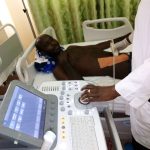
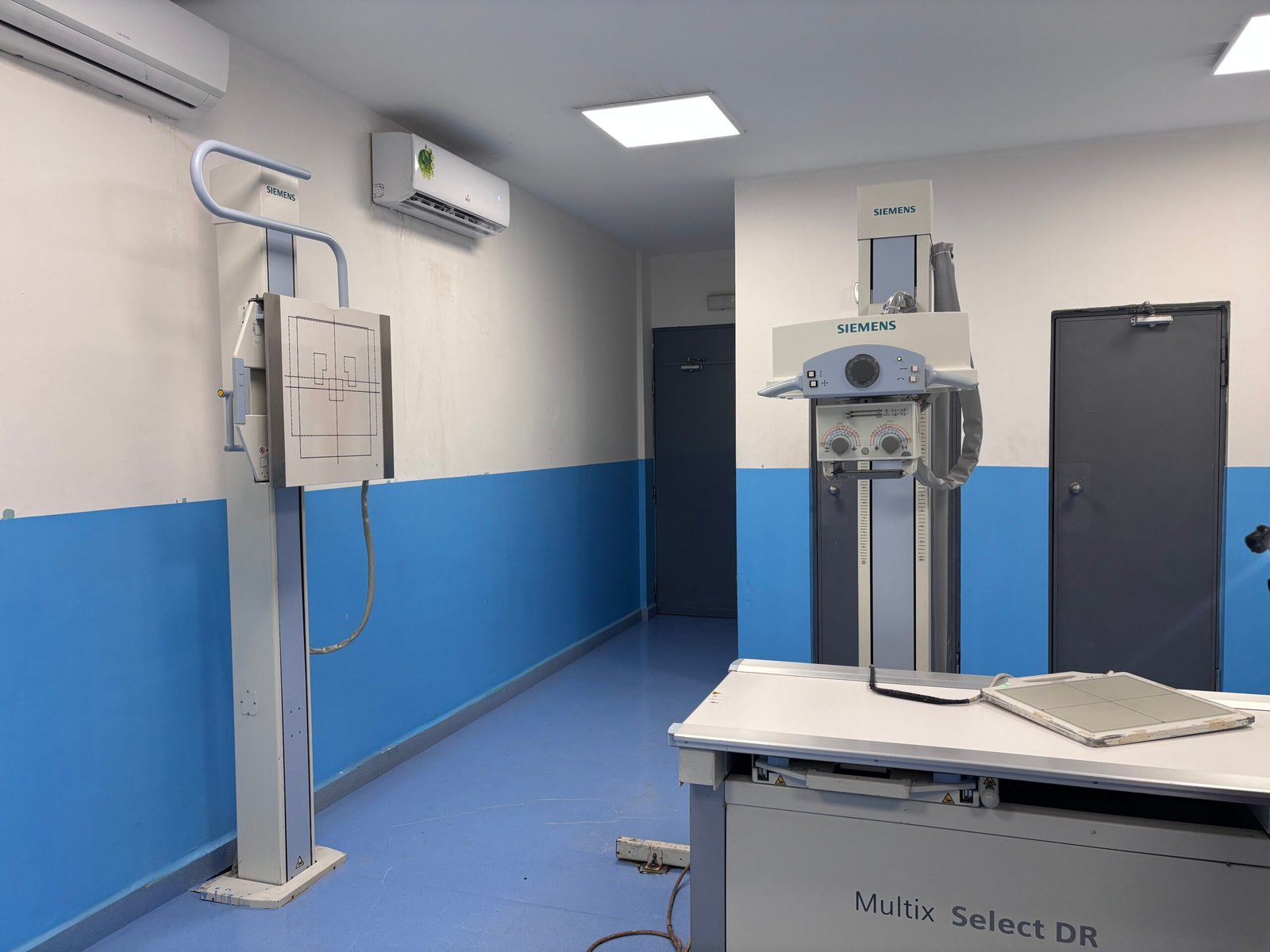
Dr Wami says bone densitometry, an examination that measures bone mineral density, is available in Yaoundé. It helps doctors assess bone health and determine fracture risk. People with previous fragility fractures, a family history of such fractures or other significant risk factors may need screening.
Treatment depends on the patient’s condition and fracture risk. Options include medications such as bisphosphonates, prescribed under medical supervision. Adequate calcium and vitamin D, a balanced diet and regular physical activity also support bone health. Supplements may be recommended when needed.
Preventing fractures through early detection
Osteoporosis is often described as a silent disease because symptoms may remain unnoticed until a fracture occurs. According to Dr Wami, “Before a fracture occurs, if you have not been screened, you do not know that you have osteoporosis.”
Against this backdrop, prevention and public awareness remain essential to reducing the risk of fractures and protecting bone health throughout life. She advises people to stop smoking, limit alcohol, engage in physical activities, and maintain good nutrition so as to help protect their bones.
Observed every year on October 20, World Osteoporosis Day raises awareness of the prevention, diagnosis and treatment of the disease. The 2026 campaign theme, “Build, Protect, Strengthen Your Bones for Life,” highlights the importance of maintaining bone health at every stage of life.